 Sports
Mastering Sports Broadcasting: Techniques, Insights, and Best Practices
Understanding the Basics of Sports Broadcasting
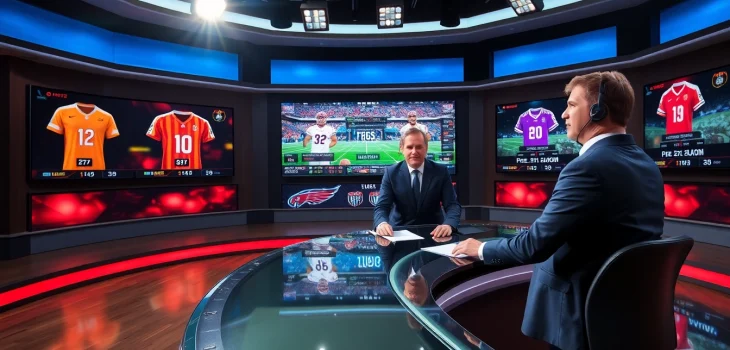
Sports broadcasting, the practice of transmitting live sporting events, highlights, and analysis, plays a crucial role in the sports industry. In today’s digital age, understanding the nuances of Sports Broadcasting has never been more important for networks, teams, and fans alike. This segment explores core concepts and the evolution of sports broadcasting, essential roles within the industry, and what drives this dynamic sector forward.
What is Sports Broadcasting?
At its core, sports broadcasting refers to the distribution of sports events via television, radio, and digital platforms. This encompasses live coverage of games, pre- and post-game analysis, commentary, and documentary-style features that provide context to the events being aired. With advancements in technology, sports broadcasting has evolved to include streaming services and online platforms, enabling viewers to engage with content anytime and anywhere.
The Evolution of Sports Broadcasting
From its inception in the early 20th century with radio broadcasts to the television boom of the 1950s, sports broadcasting has undergone significant transformations. The introduction of cable television expanded viewership options, while the digital age has brought about over-the-top (OTT) streaming services that allow for on-demand access to sports content. Social media integration has further changed how audiences consume sports, making real-time updates and highlight clips readily available.
Key Roles in Sports Broadcasting
The sports broadcasting landscape comprises various key roles beyond just the broadcasters themselves. These include:
- Producers: They manage the broadcast, coordinating all elements and ensuring seamless execution.
- Cameramen and Crew: Responsible for capturing the action from multiple angles, providing viewers with comprehensive coverage.
- Commentators and Analysts: Provide expert analysis and entertaining commentary, enhancing the viewing experience.
- Technical Team: Oversees the technology behind the broadcast, from cameras to sound equipment, ensuring broadcasts are high-quality.
Technological Innovations in Sports Broadcasting
Technological advancements have revolutionized sports broadcasting, enhancing both production quality and viewer engagement. This section explores key innovations that have shaped the current landscape.
Impact of Streaming Services on Sports Broadcasting
The rise of streaming services has introduced a new paradigm in sports broadcasting. Platforms like ESPN+, Amazon Prime Video, and others offer viewers an array of live sports coverage without the need for traditional cable packages. This accessibility bodes well for the future, as younger generations increasingly prefer digital solutions. Furthermore, streaming services often provide exclusive content, highlighting niche sports and special events.
Remote Broadcasting: Challenges and Solutions
Remote broadcasting became a focal point during recent global events, challenging conventional broadcasting methods. While the transition to remote setups posed difficulties including technical issues and ensuring high-quality transmission, technological advancements have rendered these challenges manageable. The use of cloud-based production solutions and AI-driven analytics allows for greater efficiency and flexibility for broadcast teams.
Using Data Analytics for Enhanced Sports Broadcasting
In modern sports broadcasting, data analytics has become essential. By leveraging player statistics, historical performance, and even real-time game data, broadcasters can provide deeper insights. Data-driven narratives can enhance viewer engagement, making games more interactive. For instance, visualizations of player movements, goal probabilities, and in-game statistics enrich the viewer’s experience and understanding.
Creating Compelling Sports Content
Content quality is paramount in sports broadcasting. To attract and retain viewers, broadcasters must create engaging and informative content. Let’s explore techniques and strategies to achieve this goal.
Crafting Engaging Commentary
Effective commentary is key to enhancing the viewer experience. Commentators should strive to balance play-by-play coverage with insightful analysis. This involves not only describing the action but also providing context about player strategies, team dynamics, and situational importance. Training programs focusing on voice modulation, subject matter expertise, and audience engagement techniques can significantly improve broadcaster performance.
Visual Storytelling in Sports Broadcasting
Visual storytelling employs imagery and graphics to drive engagement. Incorporating graphics that complement the narrative, such as player stats and game timelines, can give viewers a deeper understanding of the event. Advanced technologies, including drones and 360-degree cameras, can offer unique perspectives, making broadcasts more visually dynamic and engaging.
Interview Techniques with Athletes
Interviews provide an extraordinary opportunity to connect the audience with athletes. Techniques such as building rapport, asking open-ended questions, and actively listening are crucial. Pre-interview research about players’ backgrounds can lead to insightful and engaging content, allowing broadcasters to showcase athletes’ personalities, struggles, and successes, deepening audience connection.
Marketing Strategies for Sports Broadcasting
Effective marketing strategies are essential for success in sports broadcasting. Understanding audience demographics, preferences, and behaviors helps to tailor approaches that resonate well with fans. Here are some vital strategies.
Building a Loyal Audience Base
Loyalty in sports broadcasting is developed through consistent quality content and engagement. Offering exclusive content, behind-the-scenes access, and interactive elements can elevate viewer commitment. Loyalty programs that reward viewers for consistent engagement can also play a vital role in cementing audience loyalty.
Utilizing Social Media for Sports Engagement
Social media has transformed sports communication. Platforms like Twitter, Instagram, and TikTok allow broadcasters to engage with fans in real-time. Sharing highlights, polling audience opinions, and running interactive giveaways can significantly boost engagement and viewership. Continuous interaction on social media establishes a community around the broadcast, enhancing viewer loyalty.
Partnerships and Sponsorships in Sports Broadcasting
Strategic partnerships can enhance the visibility and reach of broadcasts. Sponsorship agreements with brands enable networks to enhance production quality and offer viewers enriched experiences. Collaborating with sports leagues and teams for co-branded promotions can provide dual exposure, boosting audience engagement and interest.
Measuring Success in Sports Broadcasting
To ensure ongoing success, sports broadcasters must effectively measure performance. By tracking specific metrics, organizations can refine their approaches for optimal viewer engagement.
Key Performance Indicators for Broadcasts
Key Performance Indicators (KPIs) such as viewership numbers, return on investment (ROI), and reach should be tracked meticulously. Each of these indicators provides insights into audience preferences and content effectiveness, allowing broadcasts to continuously improve. Additionally, monitoring financial metrics ensures that the business side of broadcasting aligns with viewer satisfaction.
Audience Engagement Metrics
Engagement metrics, such as viewer retention rates, social media interactions, and participation in polls or comments, provide valuable feedback. These insights reveal how well content resonates with audiences, guiding future programming and promotional strategies. High engagement rates can indicate a strong bond between the audience and the broadcasting entity, essential for long-term success.
Adapting Strategies Based on Feedback
Feedback from both viewership analytics and direct audience interactions is crucial for adaptation. Broadcasting teams can implement changes to programs or presentation styles based on viewer preferences. Continuous adaptation fosters growth, ensuring content remains relevant and exciting to audiences over time.
FAQs about Sports Broadcasting
What is the significance of commentary in sports broadcasting?
Commentary enhances viewer experience by providing context, insights, and emotional engagement during broadcasts, making the event more enjoyable.
How has technology changed sports broadcasting?
Technology has improved production quality and viewer engagement through innovations like streaming services, data analytics, and remote broadcasting solutions.
Why is audience engagement important in sports broadcasting?
High audience engagement indicates viewer loyalty and satisfaction, essential for the success and sustainability of broadcasts.
What are effective marketing strategies for growing sports audiences?
Utilizing social media, creating exclusive content, and partnering with brands can effectively engage and grow loyal sports audiences.
How do broadcasters measure their success?
Broadcasters measure success through viewership metrics, audience engagement rates, and performance indicators to refine their strategies continually.